
Founder Q&A: Dan Burgar, Founder & CEO of Frontier Collective
Getting to know Dan Burgar, Founder & CEO of Frontier Collective
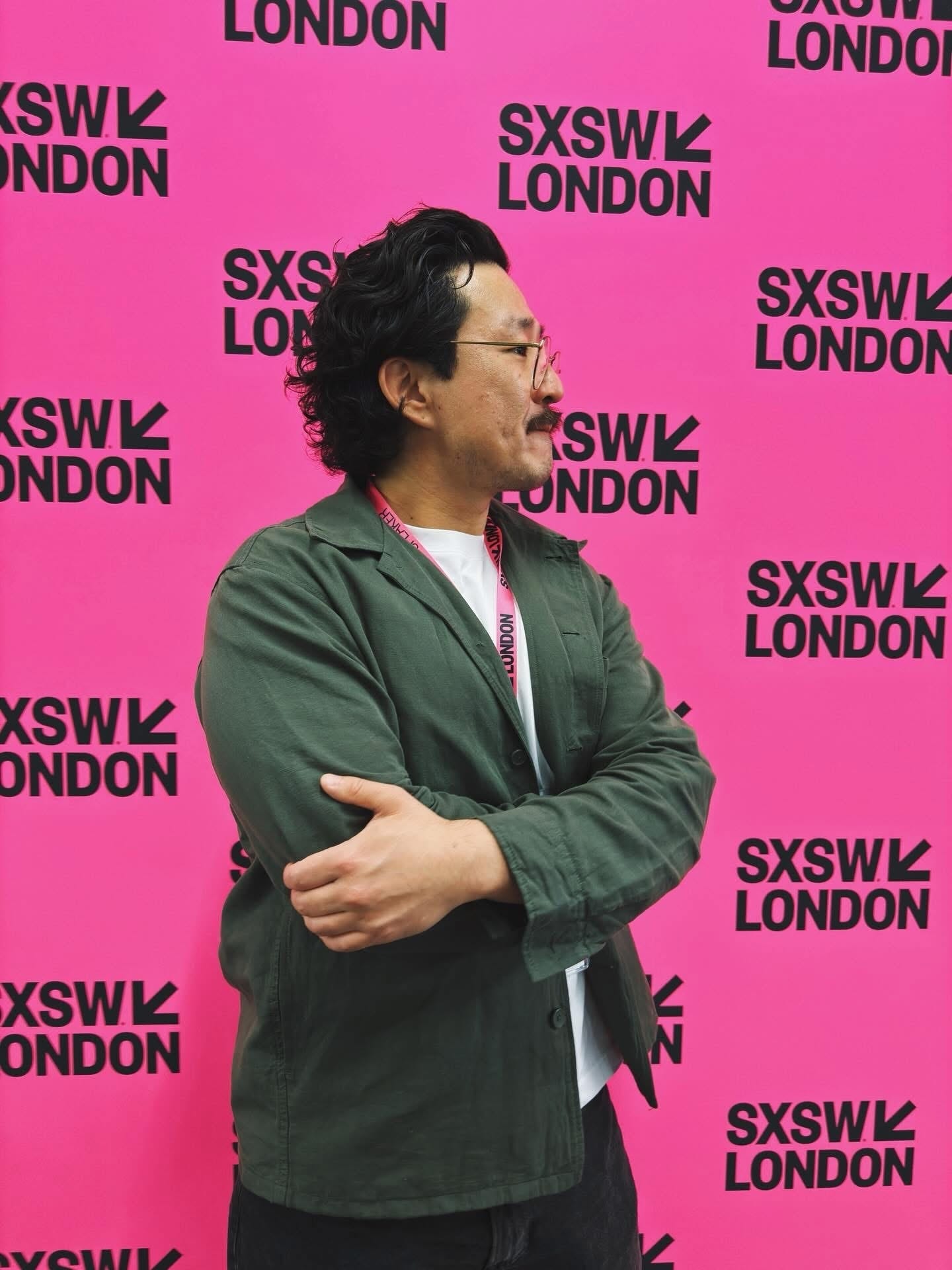
Tell us about you and your background:
I grew up in Fernie, a small blue-collar town in the BC Rockies. It wasn’t an easy childhood, my dad left, my (South Korean) immigrant mom raised us alone on welfare, and we moved around a lot. I was also one of the only Asian kids in a mostly white town, and I spent years feeling like I had to shrink myself just to belong. What I remember most is my mom, always working multiple jobs, always cooking our meals, always showing up to bake and volunteer for whatever sports team I was on. She was sacrificing constantly, and still found ways to help others even when things weren’t great for us. That’s where I got my grit, tenacity and resilience from.

When I first moved to Vancouver for film school, it was hard. I didn’t know anyone, and finding a crew, people to actually build with, took time. Then I met Eric. He was the life of the party, a natural connector, always the one organizing something and pulling people together. Our friend group turned into a family, honestly the family I hadn’t really had growing up. Eric taught me how much community mattered, not as an idea, but as something you actively build and hold onto. When he passed away after struggling with his mental health, it changed how I thought about all of this. It’s part of why I care so much about building spaces where people are genuinely connected, not just professionally, but as people.

Honestly, I didn’t know what I wanted to do for a long time. I went from job to job, hospitality, corporate events, business development, and it was in that I first realized I was actually good with people. Then, mostly by luck, I landed at a leading innovation agency, working with companies like Verizon and Lululemon, helping them integrate and build new technology. That’s where I got smitten with frontier tech. I remember thinking this could genuinely impact the world, not just business as usual.
Before Frontier Collective, I led the enterprise side at Archiact, helping grow it into one of the biggest VR/AR studios at the time. Around that same period, I served as President of the Vancouver VR/AR Association, helping build out the ecosystem for the industry both locally and globally. I later co-founded Shape Immersive, working on VR, AR, and spatial computing with brands like Red Bull, Disney, the Olympics, and Nike. Somewhere in that work, I realized what I actually cared about wasn’t the technology, it was the people around it, founders, investors, researchers, all building in silos, rarely finding each other. I know what it feels like to not belong in a room. That’s the whole reason Frontier Collective exists: to build rooms where nobody has to shrink themselves to be let in. I’m proud to say I’ve helped catalyze over $1B in economic benefit, including funding attraction for startups, and broader ecosystem impact across AI, climate, biotech, mobility, and robotics, frontier tech and innovation.
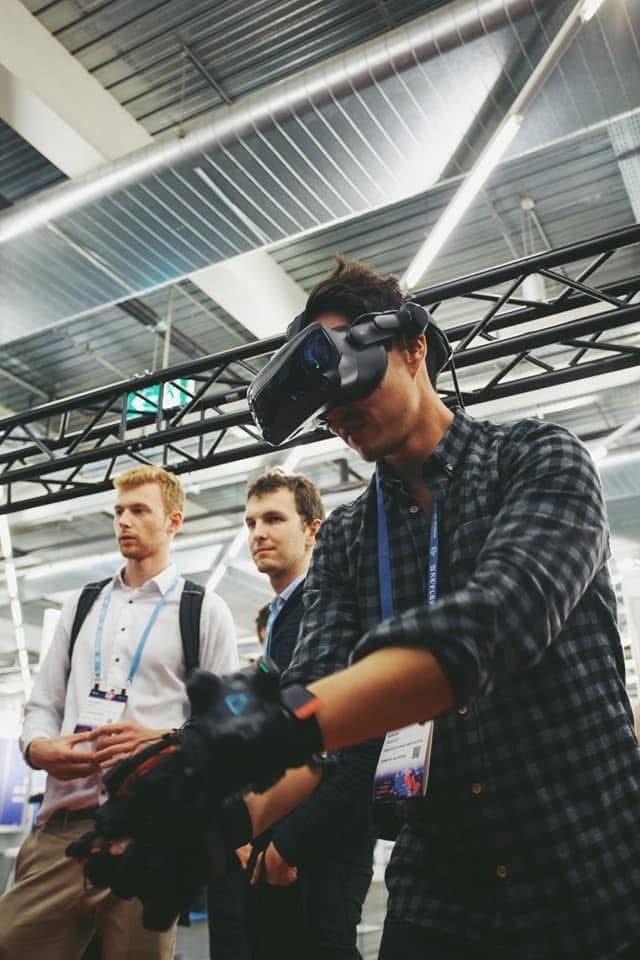
Why did you start Frontier Collective?
I was a founder, community builder, and one of the leading voices in the VR/AR space, a nascent corner of frontier tech at the time, and an ecosystem builder within it. I started noticing how much overlap there was with other horizontal technologies like AI, but those worlds weren’t connecting. There was very little support or representation across these transformational technologies, climate tech, biotech, AI, mobility, robotics, the ones I saw as the actual future of innovation. I kept watching great people, founders, investors, researchers, build in silos instead of together.
Five years ago, FC started to close that gap, as a platform and infrastructure to help solve some of the world’s biggest problems through this technological revolution I saw coming. And always through a human lens: what can this technology do to make our future better, not take away from it.
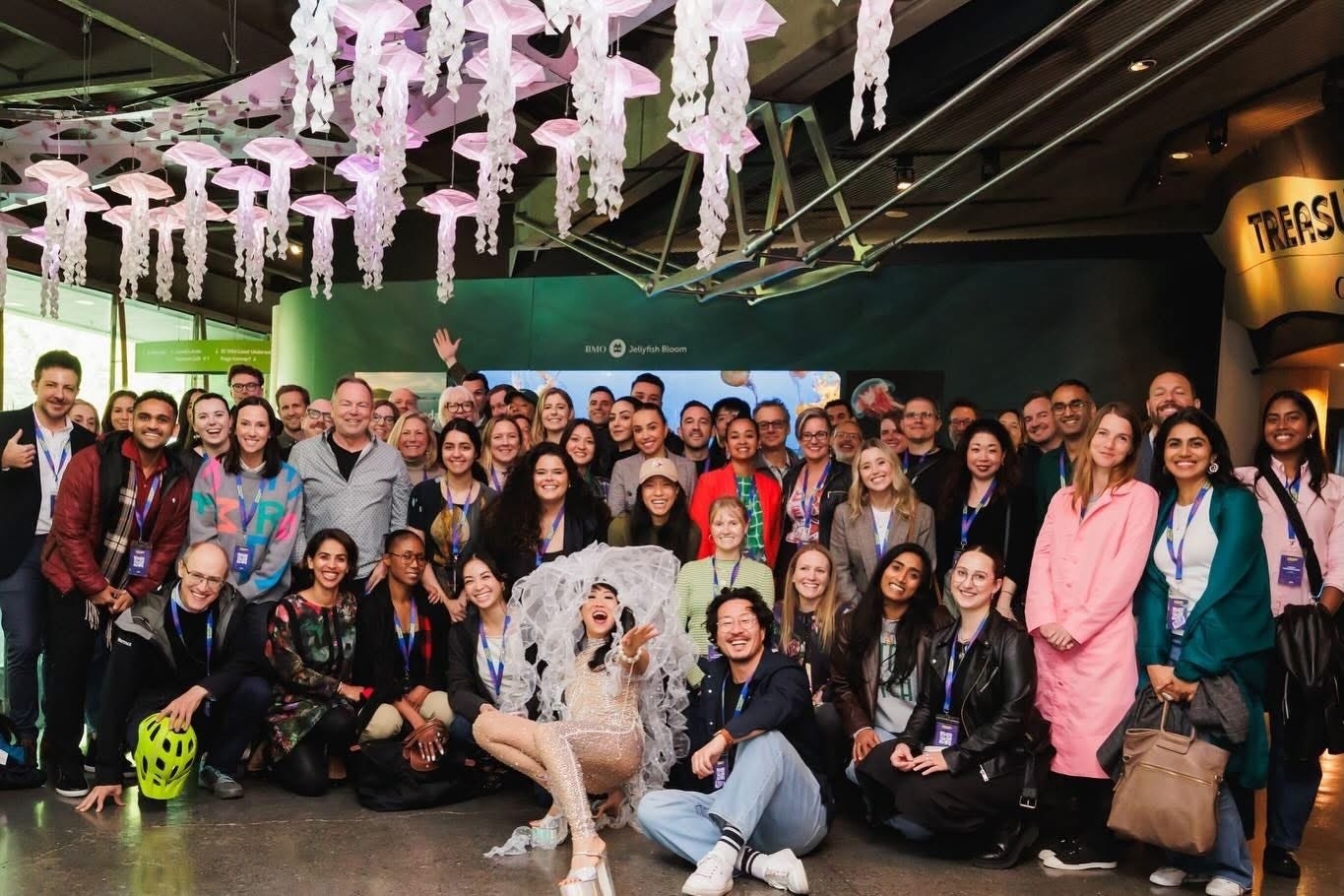
What does “ecosystem builder” actually mean to you?
Creating the foundation and conditions for ecosystems to thrive, building the flywheel for growth. It’s connecting founders and big ideas with capital, pushing government leaders on policy that strengthens innovation, and breaking down the silos that keep all of it from compounding. But underneath all of it, it’s really just about people, making sure no one has to build alone, and bringing diverse minds and ideas together.
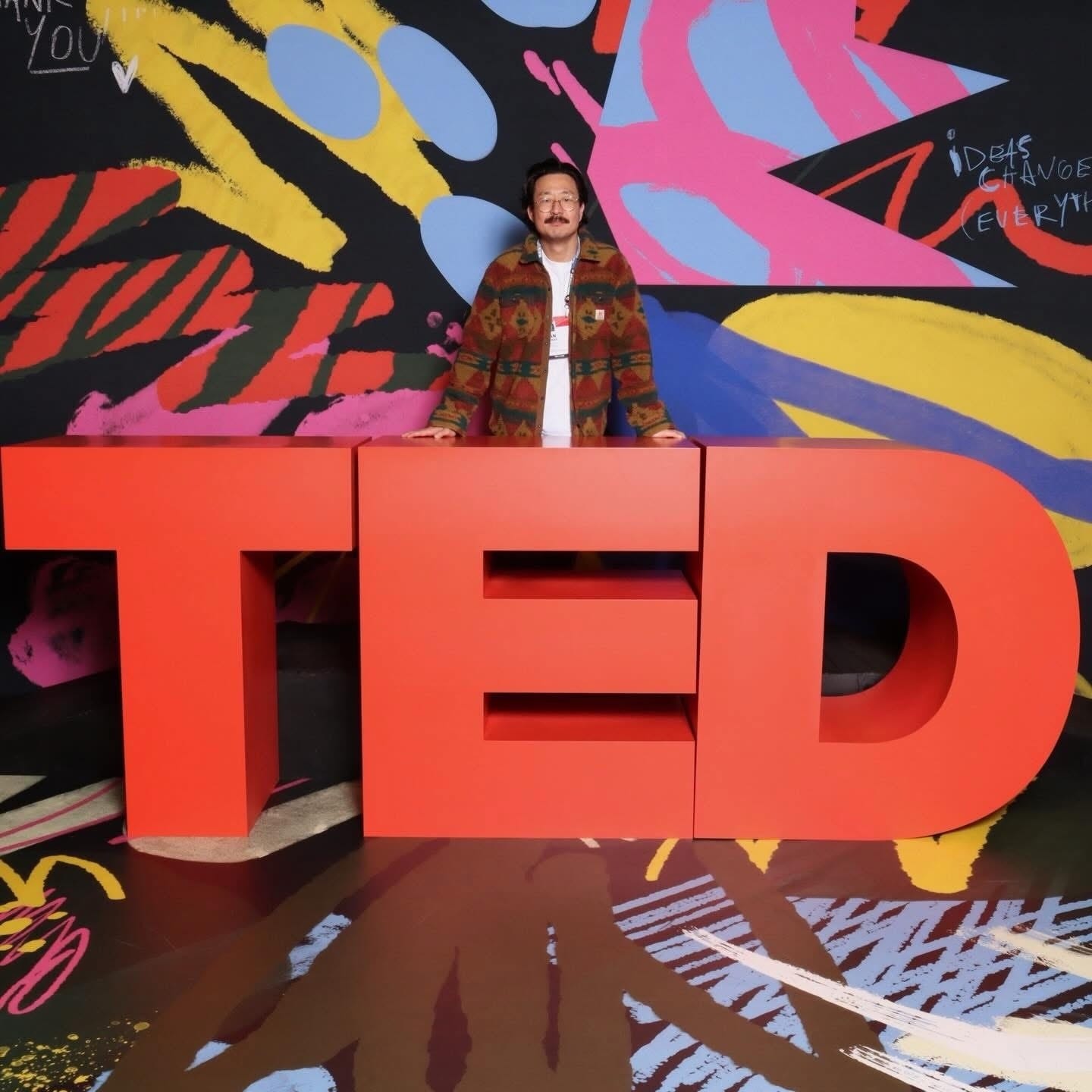
What are you most proud of building so far?
Not any single event, program, or number. It’s bringing people together, watching two people meet at one of our flagship events who never would have crossed paths otherwise, and seeing what they build together afterward. Helping grow the ecosystem into what it is today.
What’s a moonshot you’re excited about right now?
The intersection of humanity and frontier technology. We’re living through the biggest technological revolution most of us will ever see, AI, biotech, quantum, clean energy like fusion, climate tech, mobility, robotics, all compounding at once. I’m a glass-half-full person. I believe this can push us forward, if we build it right. Not tech for tech’s sake, but tech that actually makes life better, more connected, more resilient. That’s the moonshot that gets me up in the morning. Making sure we get this era right, not just fast.
What are you looking forward to the most in the next few months?
Frontier Summit, October 6-8. The Inflection Point. It’s shaping up to be our biggest chapter yet. People can apply here
What’s your vision on an Innovation Hub?
We’ve visited and studied some of the best in the world, Newlab in Brooklyn, Industry City, Station F in Paris, among others, and the pattern is always the same: the ecosystems that scale fastest have a center of gravity. A physical place where startups, founders, corporates, and funders aren’t just occasionally crossing paths, they’re actually colliding, every day, by design.
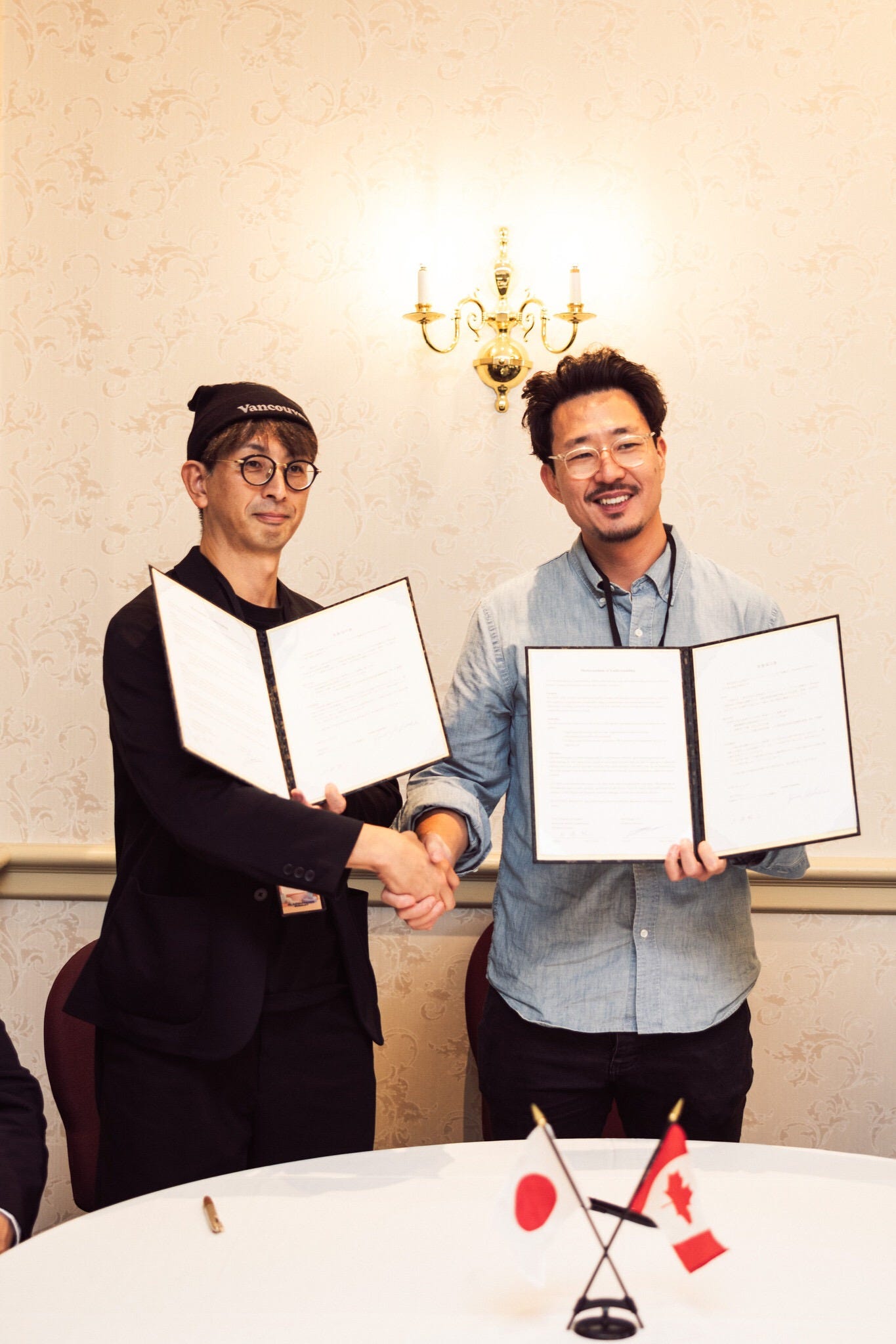
Our thesis for Vancouver, and for other ecosystems we work with, is the same. You need prototyping space, community space, amenity space, all under one roof, so the collisions that normally take years to happen by luck can happen in months instead. Real community and third spaces are genuinely lacking right now, and people want human connection more than ever, not just another networking event, but a place they actually belong. That’s the flywheel: founders feel genuinely supported, not just funded, and the ecosystem compounds because people are actually in the room together, not just connected on paper.
That’s the vision behind the Innovation Hub we’re building toward. Not just a building, infrastructure for an entire ecosystem to scale, and a place for people to genuinely connect.
How do you see the future?
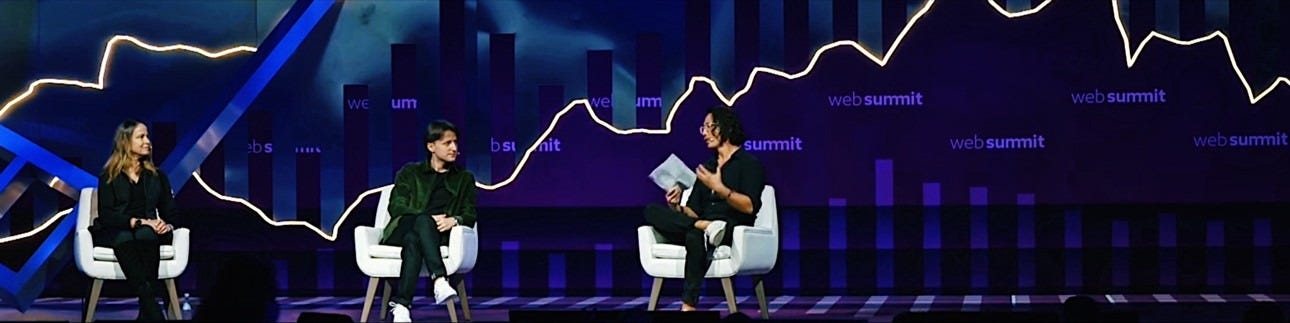
We want to build real infrastructure, and keep growing interconnected ecosystems across the world. Not innovation for its own sake, but innovation aimed at solving the world’s biggest challenges and pushing humanity forward.
Right now we’re living through two things happening at once: an analog resurgence, real, in-person connection and community, and a digital revolution moving faster than almost anything before it. There’s plenty to be wary of in that mix. But there’s also enormous reason for optimism, if we build the bridges between the two intentionally instead of letting them pull apart. That’s the future I want Frontier Collective to help build: one where progress and humanity move forward together, not at each other’s expense.
One thing outside of work, any recommendation?
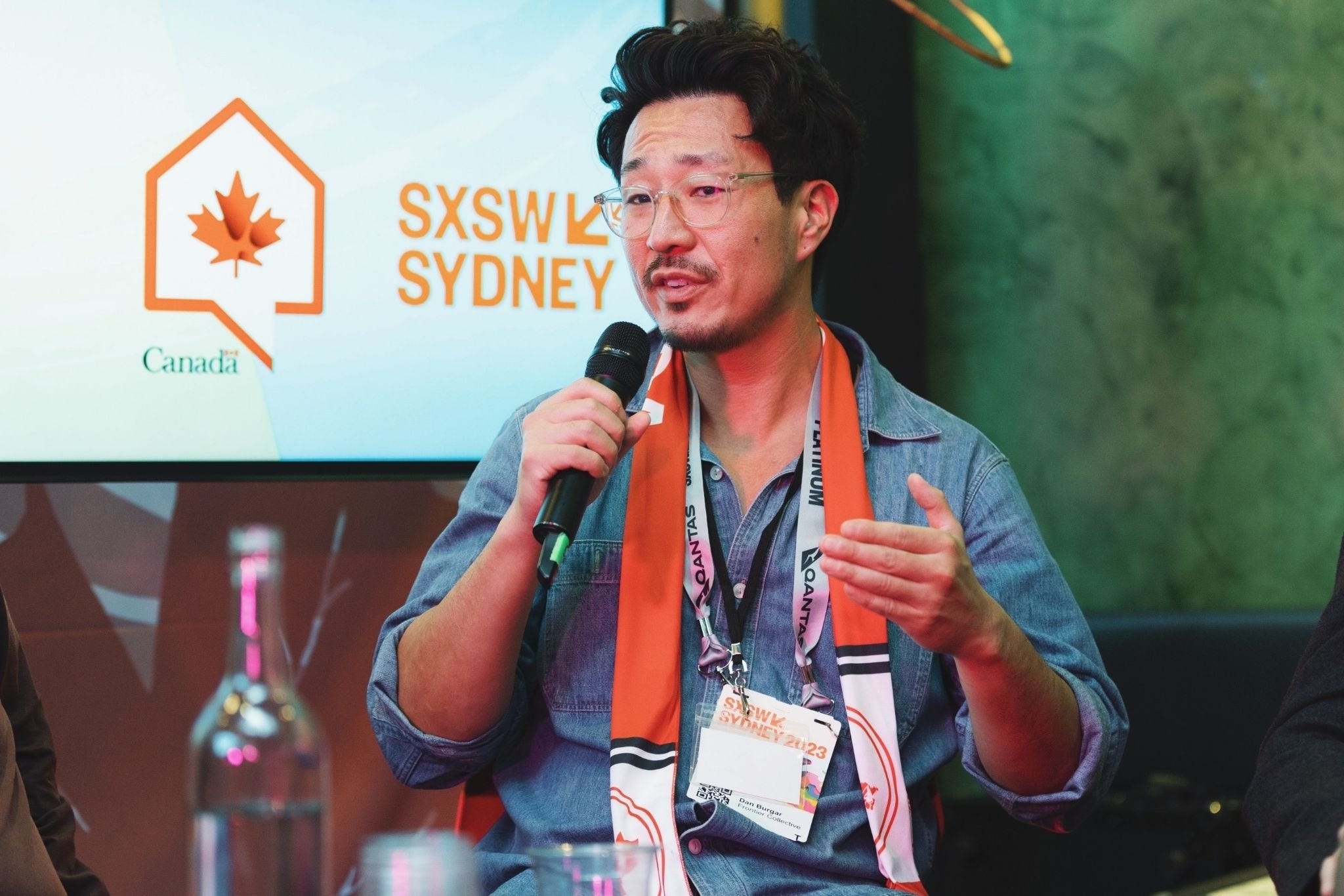
Paris, Texas. Wim Wenders’ beautiful film from the 80s, with that unforgettable Ry Cooder score. I love the cinematography, the colors, the scenery, every frame feels like a painting. It’s slow, quiet, and aching in a way most films don’t have the patience for anymore. If you’ve never seen it, don’t read anything about it first, just watch it.